STEP 1
1. Concept and Planning Objective: Define the game's vision, core mechanics, and storyline. Activities: Brainstorming sessions with the creative team. Market research and feasibility studies. Create initial game design document (GDD).
STEP 2
2. Pre-production Objective: Develop detailed game mechanics, art style, and technical requirements. Activities: Storyboarding and scriptwriting. Character and environment design. Prototype key gameplay elements. Secure funding and budget planning. Build initial team with developers, artists, and sound designers.
STEP 3
3. Development Objective: Build the core game infrastructure and features. Activities: Develop the game engine and coding. Integrate character animations and environmental assets. Implement game mechanics (exploration, building, defense). Develop the dynamic sound system and soundtrack. Alpha testing and iteration based on feedback.
Step 4
Objective: Achieve a playable version of the game with core features. Activities: Conduct extensive testing to identify bugs and issues. Refine gameplay mechanics and improve user interface. Begin marketing and community engagement efforts. Collaborate with environmental experts to ensure realistic ecological interactions.
STEP 5
Objective: Finalize game features and polish for release. Activities: Beta testing with a wider audience to gather feedback. Fine-tune balance, difficulty, and game pacing. Complete all remaining content (levels, missions, and dialogues). Finalize partnerships and promotional materials.
STEP 6
Objective: Prepare for the official release of the game. Activities: Optimize the game for various platforms (PC, consoles, mobile). Create and distribute marketing campaigns. Set up distribution channels (online stores, physical copies). Coordinate with partners for launch events and media coverage. Implement post-launch support plans (updates, community management).
STEP 7
Objective: Support the game post-launch and plan for future expansions. Monitor player feedback and address issues promptly. Release regular updates and content expansions. Foster community engagement and events. Explore opportunities for new features and technologies. Evaluate the impact of in-game actions on real-world conservation projects and report back to the community.
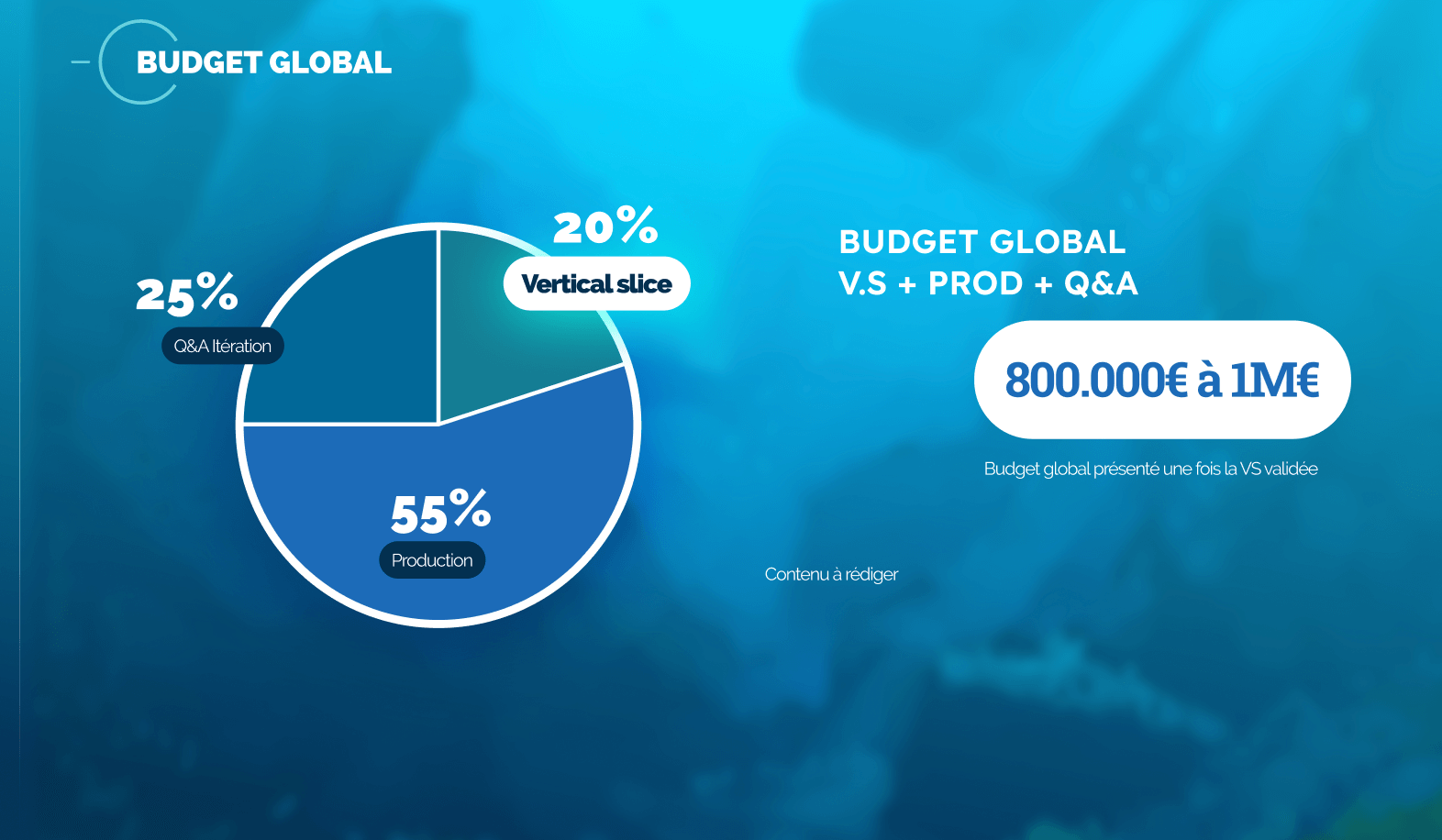
FINANCE
a hybrid economic model that includes Free-to-Play and Pay-to-Play elements, every in-game purchase—whether it’s premium content or cosmetic upgrades—directly funds real-world marine conservation projects. Partnering with NGOs like The Ocean Agency and Coral Guardians, CENOTE turns virtual actions into tangible support for initiatives such as coral reef restoration and marine biodiversity protection.